Navigating the Cancer Journey: Empowering Patients with Knowledge and Support
When embarking on the daunting journey of cancer, knowledge can serve as a beacon of hope amid uncertainty. Imagine standing in a vast, unfamiliar terrain, where each decision seems monumental. This is how many feel upon receiving a diagnosis. With the right information and support, however, navigating this complex landscape of oncology can transform your experience from fear to empowerment. We've all heard the saying, 'Knowledge is power.' But in the realm of cancer care, this power is not just theoretical; it can translate into real-world actions that alter your path to survivorship.
Understanding your diagnosis is the first step in this journey. Each type of malignancy can present different treatment options and prognoses. Take a moment to reflect: have you ever questioned what your diagnosis might truly mean for your life? Engaging in dialogues with your oncologist means you can unravel the mysteries surrounding terms like tumor types and staging. When patients ask questions—'What are my treatment options?' or 'How will this affect my lifestyle?'—they arm themselves with insights that can guide their choices, from chemotherapy to radiotherapy or even the promising area of immunotherapy. After all, a well-informed patient is often the most empowered one.
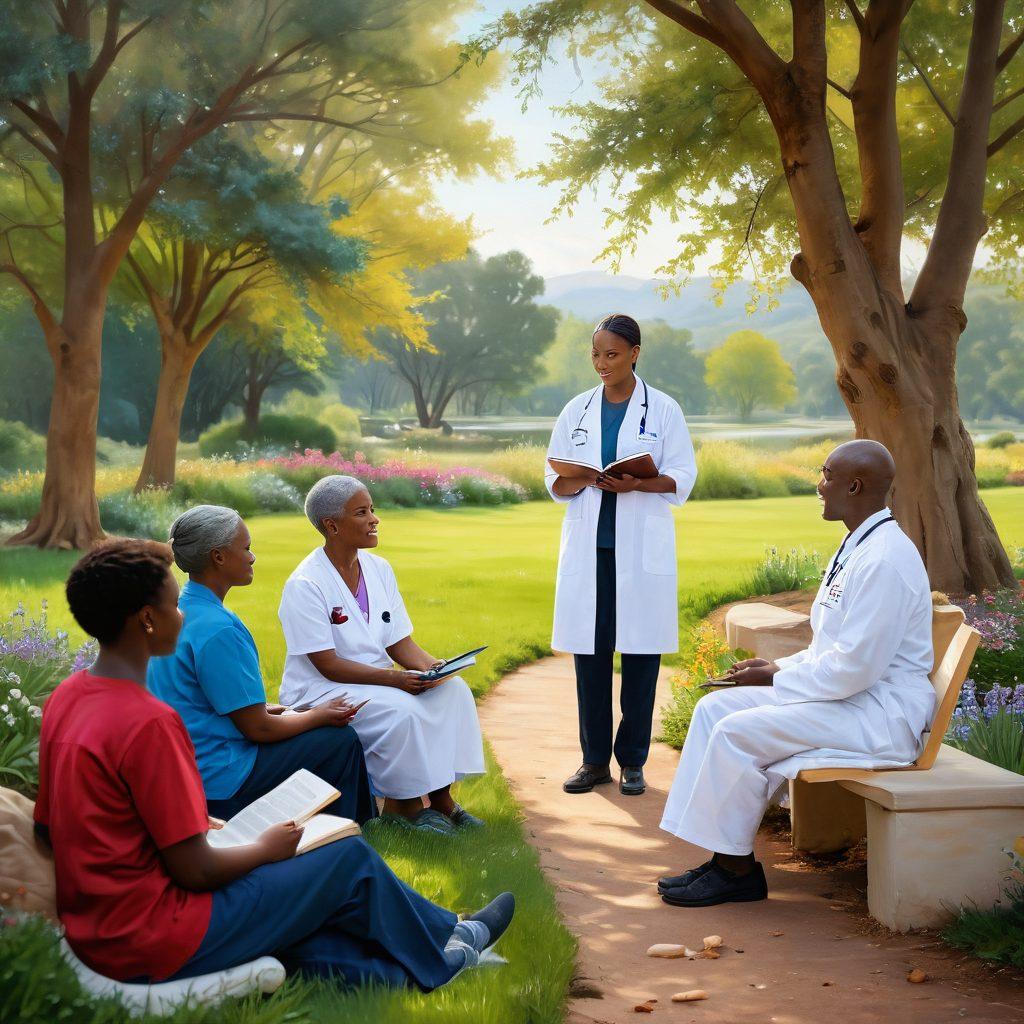
But knowledge alone isn't sufficient; support is crucial. Imagine walking this path alone—daunting, isn’t it? This is where patient support groups come into play. They offer not just companionship but a treasure trove of cancer stories that foster resilience and hope. As another patient once shared, 'In the darkest moments, it was the stories of survivors that lit my way.' Whether it's through community support or health blogs, connecting with others who have faced similar challenges can inspire you to take health education to heart and explore holistic health practices that complement your treatment options.
Moreover, it's essential to understand that treatment options extend beyond conventional chemotherapy and radiation therapy. Innovative clinical trials are often at the forefront of cancer care, pushing the boundaries of what we know. For those wondering, 'Is this treatment right for me?' consulting your healthcare team to discuss clinical trials can open doors to therapies not yet available to the general public. It's about taking charge, asking questions, and exploring every avenue possible. Sometimes, lifestyle modifications can also play a pivotal role in cancer prevention and reducing the risk of recurrence. Did you know that small changes in diet and exercise can significantly impact your wellness during and after treatment?
Lastly, let's not forget the importance of cancer advocacy in spreading cancer awareness and debunking common cancer myths. By sharing factual insights and your own patient stories, you contribute to a larger community dialogue. Together, we can foster a collective understanding that advances cancer care for everyone. In closing, whether you are a patient, caregiver, or advocate, remember that every question you ask, every connection you make, and every ounce of knowledge you seek is a step forward in the fight against cancer. The journey may be fraught with challenges, but with the right insights and robust support groups alongside you, empowerment is an achievable reality.
From Diagnosis to Survivorship: A Roadmap for Patients Battling Cancer
Navigating a cancer journey is akin to traversing a winding road filled with unexpected turns. When faced with a malignancy diagnosis, the initial shock can be overwhelming, leaving patients and their families grappling with uncertainty. Yet, this journey isn’t just about the diagnosis and treatment; it’s a profound opportunity for empowerment, learning, and growth. By understanding each step from diagnosis to survivorship, we can embrace the notion that knowledge is indeed power, especially when it comes to cancer awareness.
As patients embark on their unique paths through oncology, it’s essential to first understand the available treatment options. Whether it’s chemotherapy, radiation therapy, or the groundbreaking immonotherapy, these modalities can often sound foreign and intimidating. One oncologist once said, "Your treatment is a conversation, not a one-size-fits-all prescription." This highlights the importance of open dialogue with healthcare providers. Patients should feel encouraged to ask questions and explore clinical trials, gaining insight into the potential benefits and risks associated with each treatment. How do you envision your role in this transformative conversation about your health?
Additionally, as patients navigate their treatment journey, lifestyle modifications play a crucial role in promoting wellness. Engaging in community support through support groups, or even finding solace in health blogs where patient stories are shared, can help create a sense of belonging. Imagine the power of connecting with others who have experienced a similar diagnosis and treatment – the shared laughter, tears, and resilience would resonate deeply. It showcases that while cancer may alter your life’s path, it doesn’t define it.
During and after treatment, the concept of survivorship takes center stage. Survivorship is not simply about living beyond cancer but thriving in health. Palliative care, often misunderstood, focuses on improving quality of life and is vital in this phase. Embracing your new normal may involve adopting holistic health practices, such as mindfulness and nutrition, which can enhance overall well-being. Ask yourself, how can you integrate areas of wellness into your daily routine to support your body and mind during this transition?
Lastly, becoming an advocate for cancer awareness extends beyond personal experience; it’s about empowering others with knowledge and resources. Understanding cancer myths and facts, advocating for education in our communities, and sharing health resources can pave the way for improved outcomes for future patients. Engaging in health education, whether online or through local workshops, can help dismantle stigma and elevate discussions about cancer prevention. In what ways will you share your journey to inspire hope and resilience in others facing their own battles against cancer?
Breaking Down Barriers: The Importance of Patient Support and Community in Oncology
In the complex world of oncology, the journey through cancer can often feel isolated and overwhelming. However, breaking down barriers and fostering strong patient support can significantly transform this experience. Have you ever wondered how a community can empower someone facing the harsh realities of malignancy? It’s time to dive into the profound impact that relationships, support groups, and shared stories can have as patients navigate their unique cancer narratives. From the moment of diagnosis to survivorship and beyond, the human connection is a powerful ally.
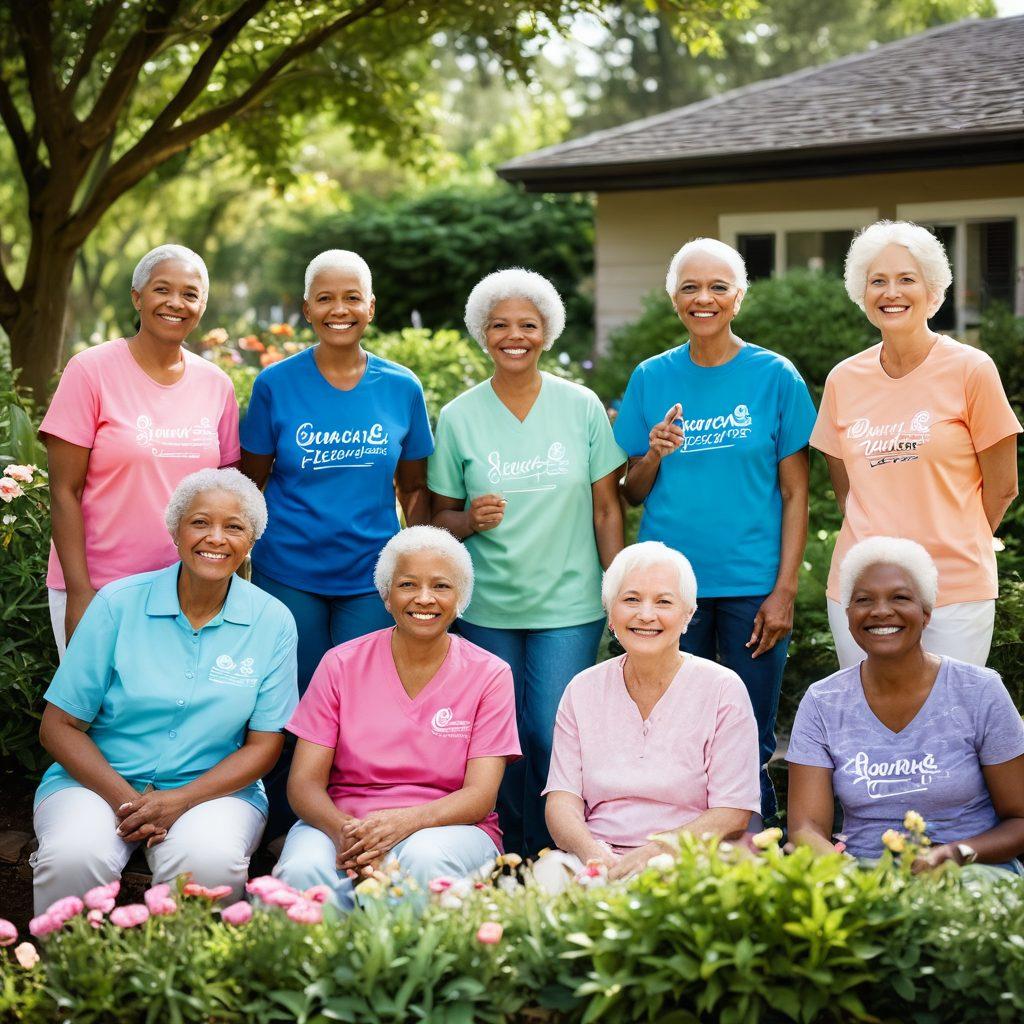
Let’s face it—cancer can stir feelings of fear, uncertainty, and loneliness. Yet, even amidst these tumultuous emotions, stories arise that inspire hope and resilience. There’s a quote that resonates deeply in the oncology community: "We are stronger together than we are alone." This statement holds exceptionally true for cancer patients and their families. When individuals share their struggles and triumphs, it cultivates understanding and diminishes the stigma associated with cancer. Support groups, both online and offline, create a space where people can discuss their concerns about tumor growth, chemotherapy side effects, and the intricacies of treatment options such as immunotherapy and radiation therapy.
So, how can we foster a supportive environment for those battling cancer? One effective approach is through health education and cancer awareness initiatives that not only inform patients about their diagnosis and prognoses but also debunk prevalent cancer myths. For instance, did you know that lifestyle modifications, such as healthy eating and exercise, can significantly impact cancer prevention and treatment? Health resources available through cancer care organizations can help patients feel more in control, allowing them to make informed decisions about their treatment options, whether it's engaging in clinical trials or opting for palliative care.
Moreover, patient advocacy arises as an essential facet of community support. When patients and their families become educated about their rights and the available health resources, they empower themselves to voice their needs and participate actively in their cancer care journey. This advocacy transforms the experience, guiding individuals through the often-complex world of oncology and ensuring they are treated with dignity and respect. We need to foster an environment where every cancer story is heard and valued, setting the stage for collective healing, understanding, and empowerment.
Lastly, remember that the journey doesn't stop at treatment's end. Survivorship is a significant part of the cancer experience, and ongoing community support through health blogs and wellness events can play a crucial role in maintaining the health of survivors. Engaging in cancer advocacy and finding meaningful ways to give back can provide a sense of purpose and belonging. So, let me ask you this: How can you become a beacon of support in your community? Whether it’s sharing your patient story or helping to raise cancer awareness, your contribution is invaluable in breaking down barriers and fostering a nurturing atmosphere for those affected by cancer.